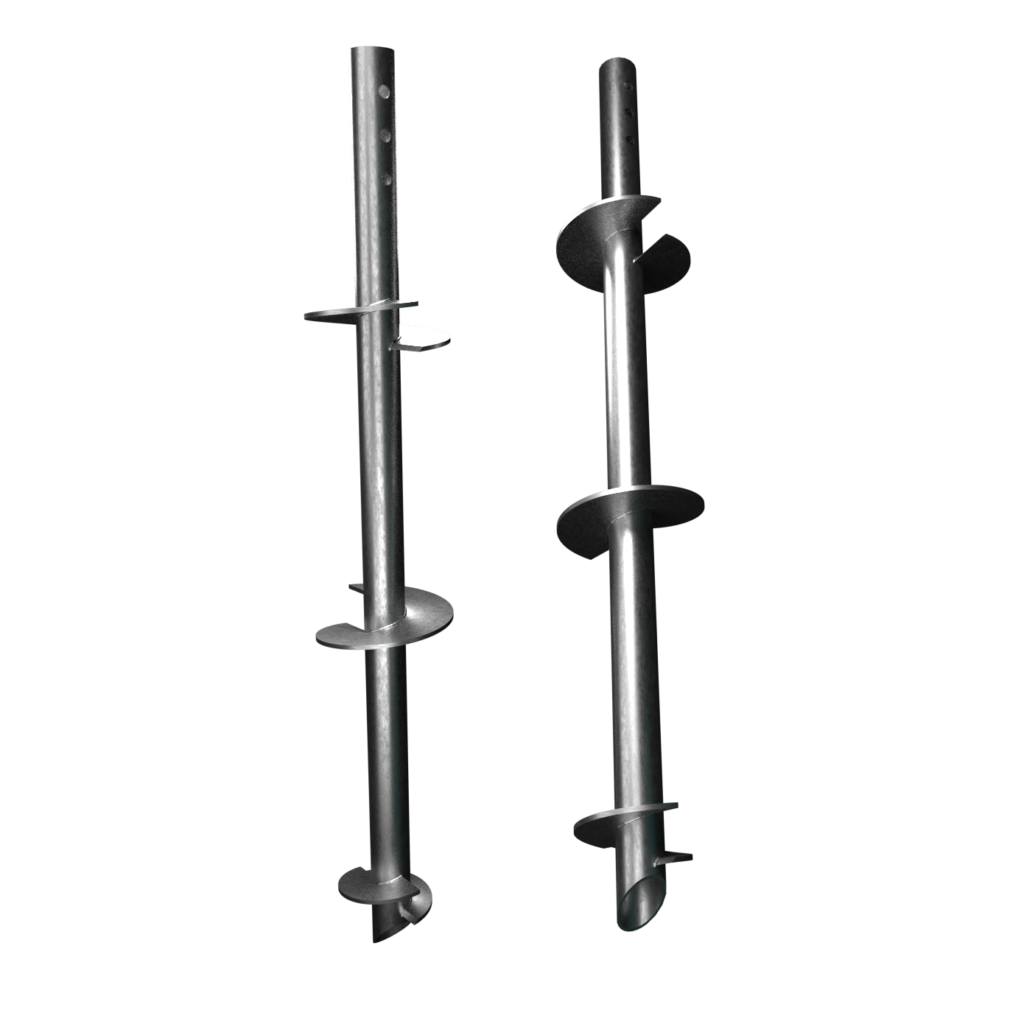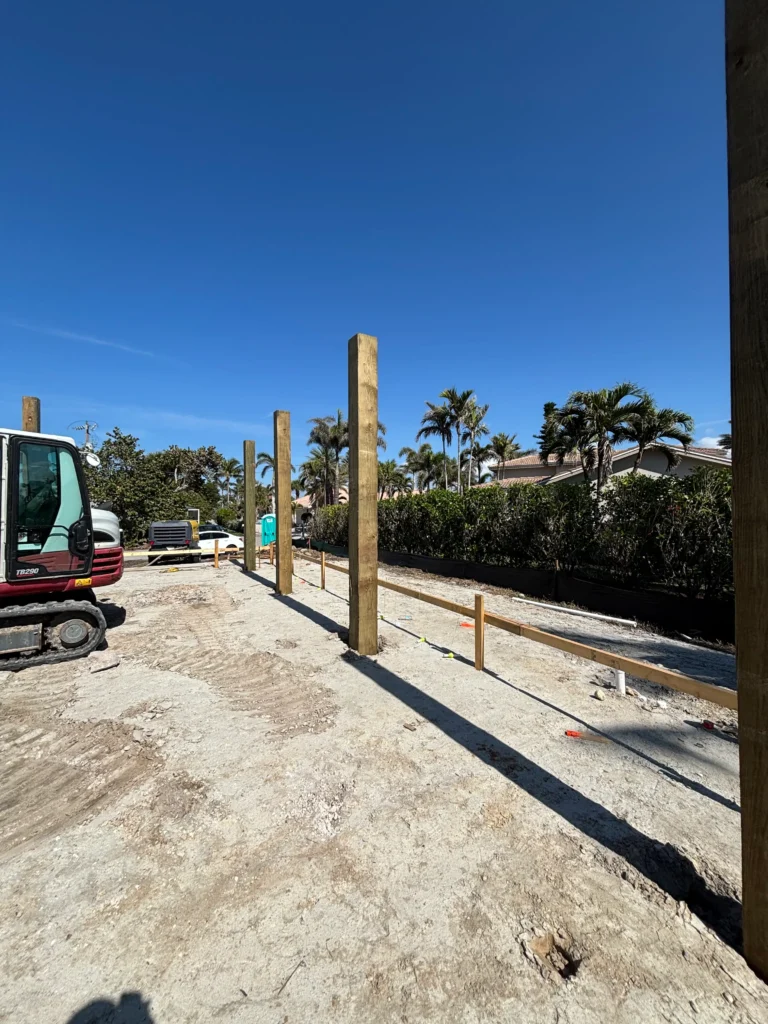
If you’re planning a construction project and dealing with unstable or soft soil, chances are you’ve come across the terms helical piles and driven piles. Both are deep foundation systems designed to support structures where traditional concrete footings just won’t cut it. But what’s the real difference between Helical piles vs. Driven piles? And how do you know which one is right for your project?
Helical vs. Driven: Differences
| Feature | Helical Piles | Driven Piles |
|---|---|---|
| Installation | Screwed into the ground like a giant screw | Driven into the ground using impact or vibration |
| Noise & Vibration | Quiet, low vibration great for sensitive areas | Loud and high vibration may not suit all sites |
| Soil Impact | Minimal disturbance | Can shift or compact surrounding soil |
| Load Testing | Measured by installation torque | Verified through dynamic testing or load tests |
| Best For | Residential, limited access areas, softer soils | Large structures, dense soils, heavy loads |
| Speed | Fast and efficient, with minimal setup | Requires different amounts of time, especially in tight spaces |
| Reusability | Often removable and reusable | Generally permanent once installed |
So Which Should You Use?
The right choice depends on your project’s specific needs like the type of soil, load requirements, noise restrictions, and access to the site.
For example, if you’re working in a tight residential area where noise and vibration are a concern, helical piles might be the better fit. They’re installed with minimal disruption and can often be completed quickly.
On the other hand, driven piles are a solid option for larger-scale builds that need to handle heavier loads, They can also be used in residential projects. This is a Non-Biased article on Helical piles vs. Driven piles.
We Do Both
At Stovall Foundation Systems, we install both helical and driven piles. Our team has the experience to assess your site and install Helical piles and Driven piles. Every project is different, and we’re here to make sure you get the right system for the job.